



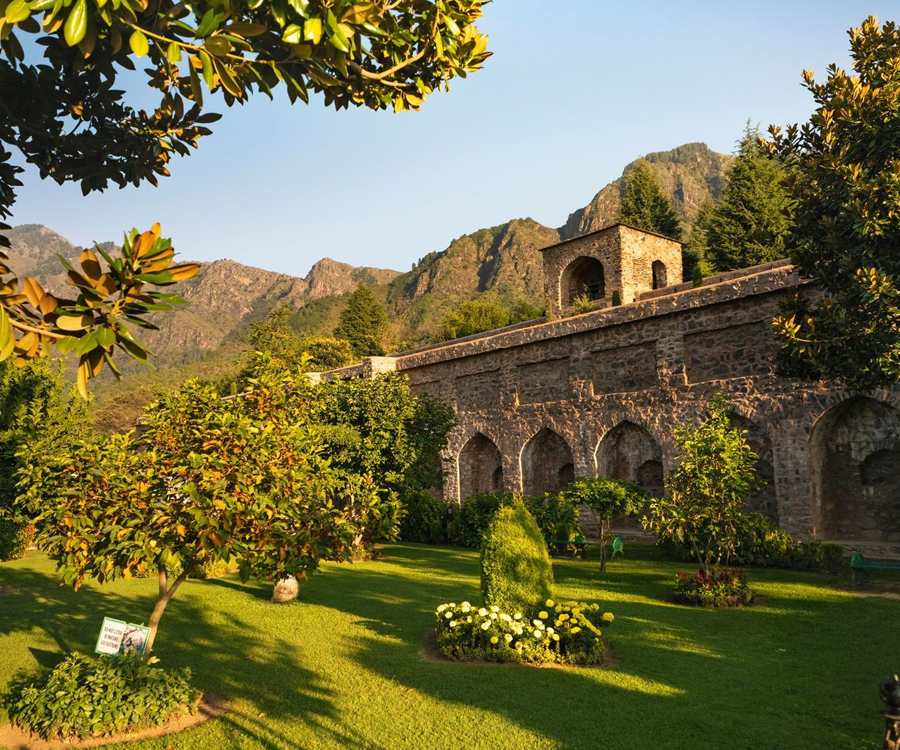
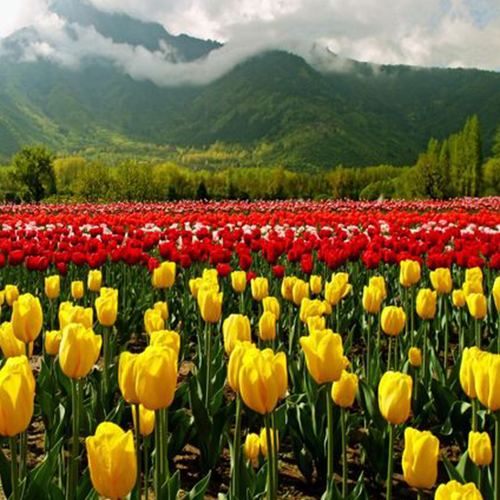
The Mughal Gardens in Srinagar are a group of beautifully designed terraced gardens built by the Mughal emperors, featuring flowing fountains, vibrant flowers, and stunning views of Dal Lake and the surrounding mountains.
Mughal Gardens
Mughal Gardens are a magnificent blend of Persian, Islamic, and Indian architecture, known for their symmetrical layout, lush greenery, flowing water channels, and architectural elegance. Introduced by the Mughal emperors in India, especially during the reigns of Babur, Akbar, Jahangir, and Shah Jahan, these gardens reflect the Mughals' love for nature, beauty, and serenity. Inspired by the concept of "Paradise Gardens" from Persian tradition, Mughal Gardens were designed as earthly representations of heaven.
Typically built around palaces, forts, or tombs, the layout of Mughal Gardens follows the Charbagh style, which divides the space into four main sections using walkways and water channels. These four parts often symbolize the four rivers of paradise mentioned in Islamic texts. The flowing water—through fountains, canals, and pools—not only adds beauty but also cools the air and creates a calming soundscape.
Lined with flowering plants, tall cypress trees, and seasonal blooms, the gardens are both ornamental and functional. The use of geometrical patterns, marble pavilions, terraced lawns, and meticulously maintained flower beds adds to their visual harmony. In spring, these gardens burst into color, offering a stunning contrast against their stone pathways and architectural backdrops.
One of the most famous examples of Mughal gardens is the Shalimar Bagh in Srinagar, Kashmir, which showcases the beauty of terraced garden design with its flowing fountains, chinar trees, and scenic views of the Dal Lake and surrounding mountains. Other notable gardens include Nishat Bagh, Chashme Shahi, and the gardens surrounding the Taj Mahal and Humayun's Tomb.
Mughal Gardens are not just places of leisure; they were historically used as venues for royal ceremonies, rest, and reflection. Today, they remain important symbols of heritage, culture, and landscape architecture, drawing tourists, historians, and nature lovers alike.
Highlights
- Charbagh Layout
- Persian Influence
- Water Features
- Symmetry & Geometry
- Floral Beauty


